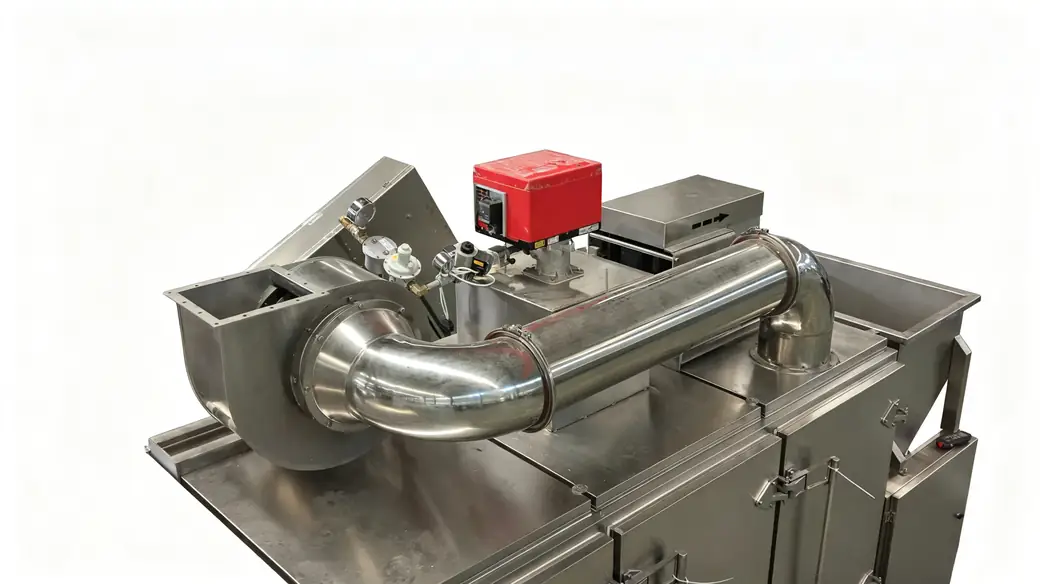
Option A — two lines in parallel
- If one oven goes down you still ship at half rate instead of zero
- You can run two different products or two different roast profiles at the same time
- Cleaning and changeover on one line while the other keeps producing
- Higher total footprint and two sets of operators or one operator walking between them
Option B — one larger machine
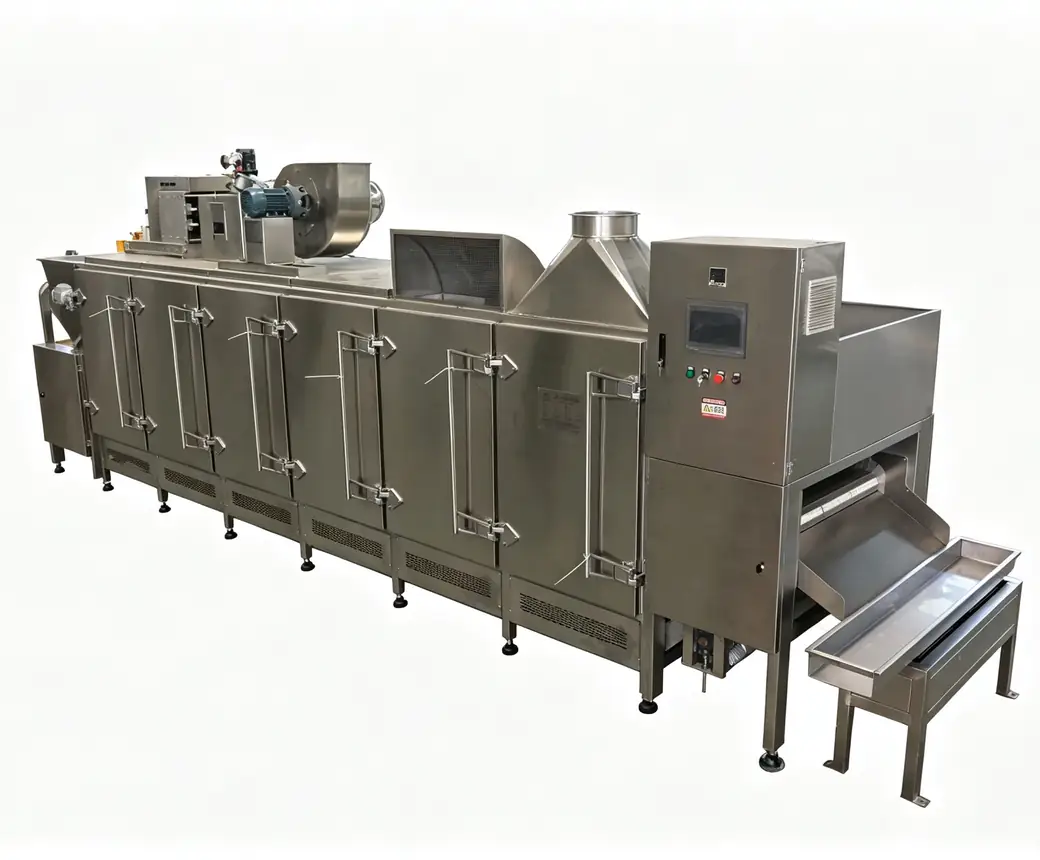
- Lower cost per kg of installed capacity
- Smaller footprint, one control cabinet, one set of spares
- Single point of failure — when it stops, everything stops
- One product at a time, and changeover halts the whole plant
How to choose
The question is not technical, it is commercial. If you sell one high-volume SKU into a contract, take the single larger machine — cost per kilo wins.
If you sell a range, or if a stopped line means a penalty clause, take the parallel route. The redundancy is worth more than the capital saving.
We will quote both against your actual product mix rather than pushing the bigger machine because it is a bigger invoice.
What usually becomes the real bottleneck
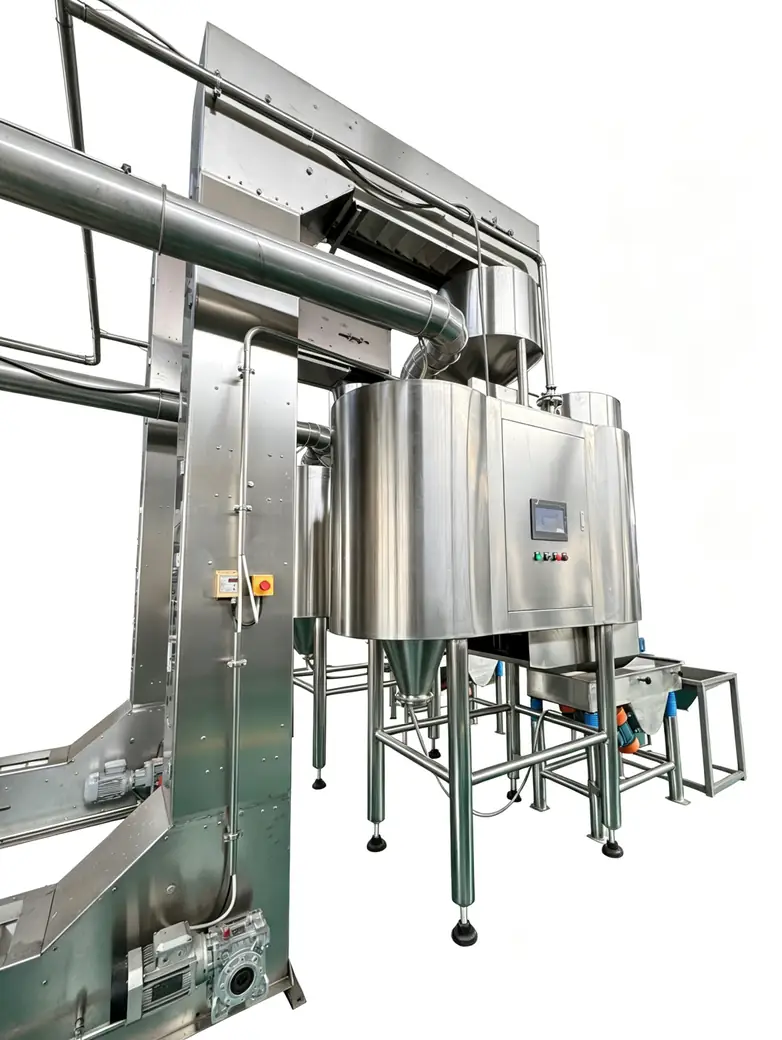
At 500 kg/h it is rarely the roaster. It is the peeler, the packing station, or raw material handling into the front of the line. Before specifying more roasting capacity, check what happens downstream — we have had customers double roasting capacity and see no output gain because packing was the constraint all along.
Questions we get asked about this
Can I buy one line now and add the second later?
Yes, and it is a common approach. Tell us at the start that a second line is planned so the layout, utilities and material handling are designed with the space and connection points already allowed for.
Does a bigger oven need a bigger burner and more gas?
Yes — heating demand scales with throughput. This is the item to confirm with your gas supplier early, because upgrading a site gas connection often takes longer than building the machine.